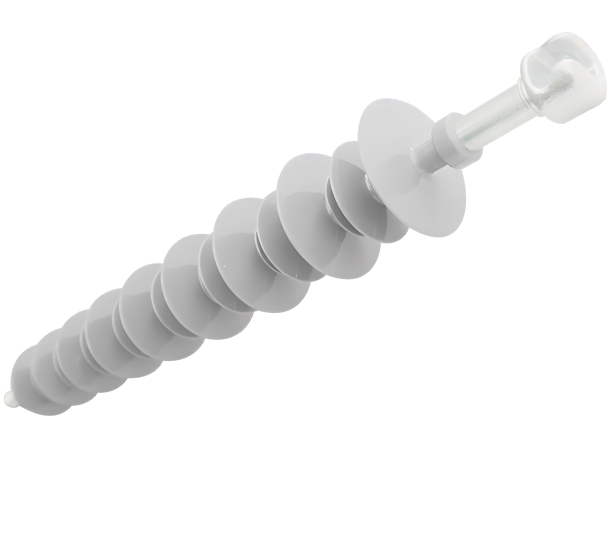
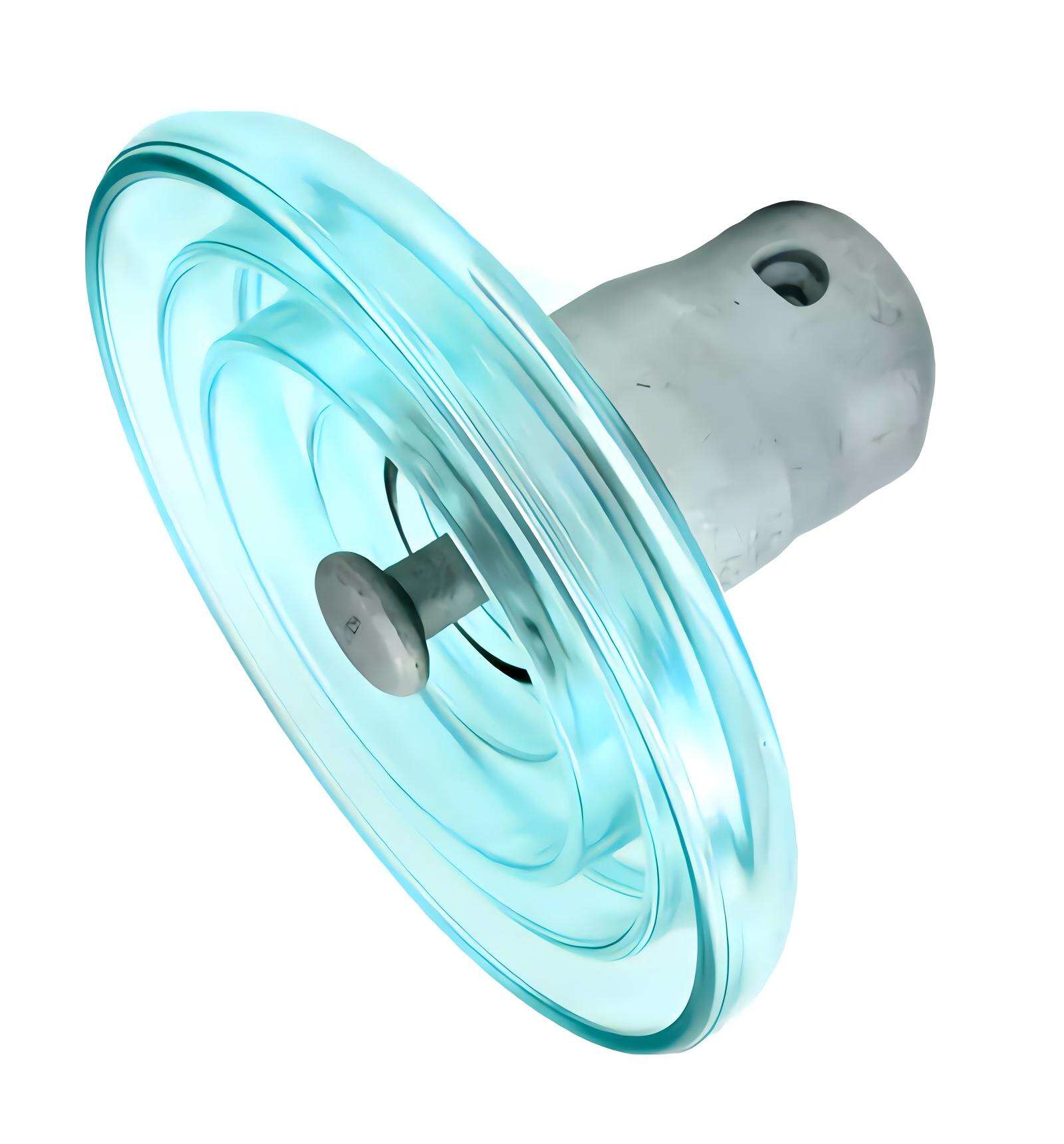
composite tension insulator
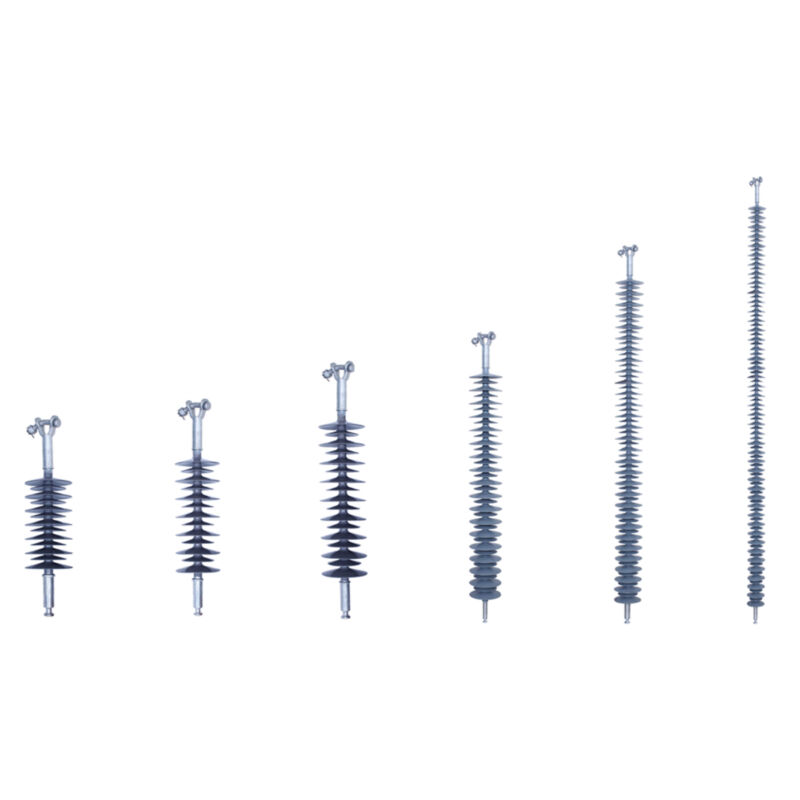
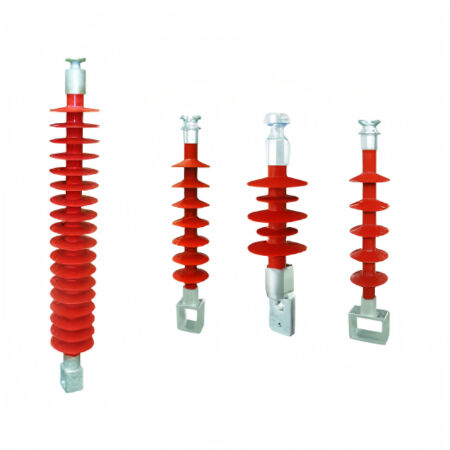
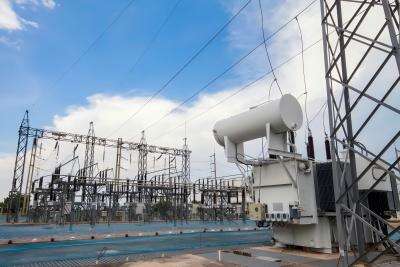
The composite tension insulator represents a revolutionary advancement in electrical transmission and distribution systems, combining cutting-edge materials science with proven engineering principles. This sophisticated electrical component serves as a critical link in overhead power lines, designed specifically to withstand mechanical tension forces while maintaining electrical isolation between conductors and supporting structures. Unlike traditional porcelain or glass insulators, the composite tension insulator utilizes a unique construction featuring a fiberglass reinforced plastic rod core surrounded by silicone rubber housing and polymer sheds. The main functions of the composite tension insulator encompass both electrical and mechanical responsibilities within power grid infrastructure. Electrically, it prevents current leakage between high-voltage conductors and grounded tower structures, maintaining system integrity and safety. Mechanically, it bears substantial tensile loads from conductor weight, wind pressure, and ice accumulation while preserving structural stability. The technological features of composite tension insulators distinguish them from conventional alternatives through advanced material engineering. The fiberglass rod core provides exceptional tensile strength, often exceeding 160 kN, while the silicone rubber housing offers superior hydrophobic properties and pollution resistance. The polymer shed design optimizes flashover distance and electrical performance under various environmental conditions. Applications for composite tension insulators span across multiple voltage levels and system configurations. They are extensively deployed in transmission lines ranging from 69 kV to 800 kV, distribution networks, substations, and specialized installations requiring enhanced mechanical performance. These insulators prove particularly valuable in coastal areas with high salt contamination, industrial zones with heavy pollution, and regions experiencing extreme weather conditions where traditional insulators may fail prematurely.
 ×
×

 EN
EN