Composite Pin Insulator: Advanced Electrical Insulation Solutions for Power Distribution Systems

Get a Free Quote

Our representative will contact you soon.
Email
Name
Company Name
Message
0/1000

composite pin insulator

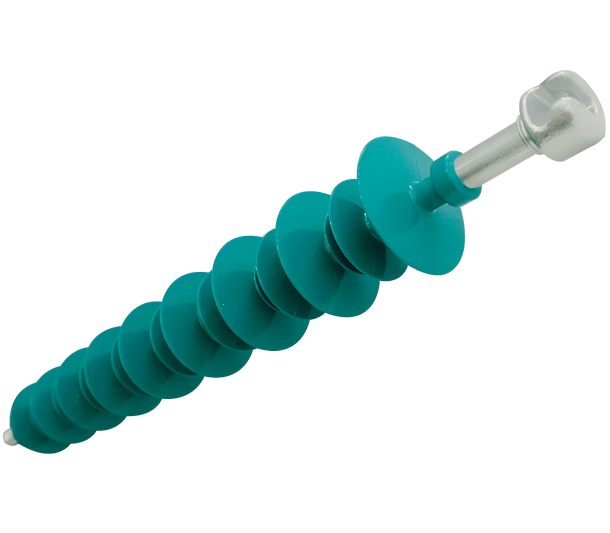
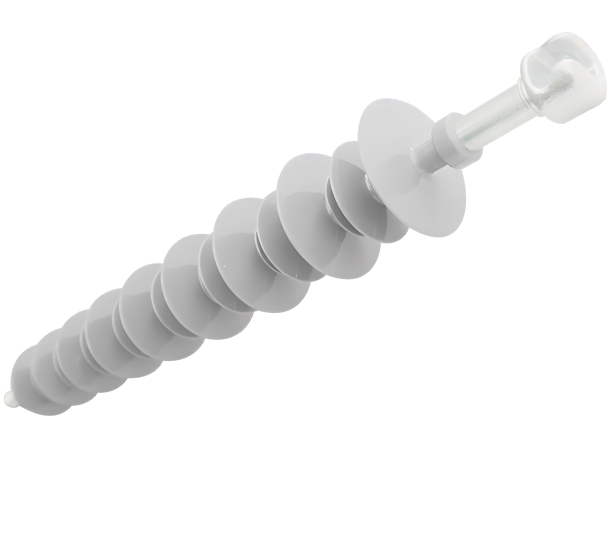
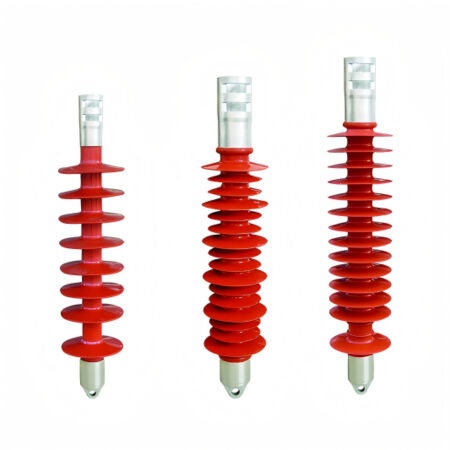
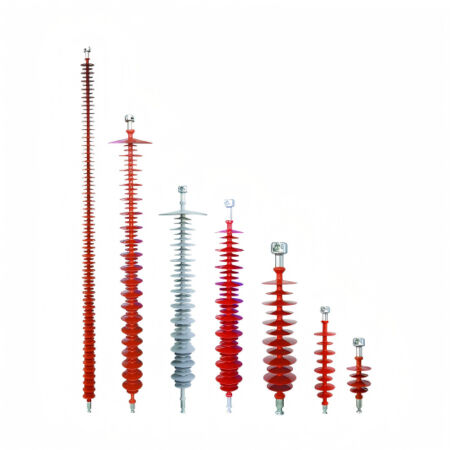
The composite pin insulator represents a revolutionary advancement in electrical power transmission and distribution systems. This innovative component combines the structural integrity of traditional ceramic insulators with the enhanced performance characteristics of modern polymer materials. A composite pin insulator consists of a fiberglass reinforced plastic (FRP) core rod surrounded by silicone rubber housing, creating a robust and reliable electrical insulation solution. The main function of a composite pin insulator is to provide electrical isolation between conductors and supporting structures while maintaining mechanical strength to support overhead power lines. These insulators effectively prevent electrical current from flowing to ground through support poles or towers, ensuring safe and efficient power transmission. The technological features of composite pin insulator designs include superior hydrophobic properties that repel water and contaminants, reducing flashover risks during adverse weather conditions. The silicone rubber housing material exhibits excellent resistance to ultraviolet radiation, ozone exposure, and environmental pollutants that commonly degrade traditional porcelain insulators. The FRP core provides exceptional tensile strength and flexibility, allowing the composite pin insulator to withstand mechanical stresses from wind loading and conductor movement. Applications for composite pin insulator products span across various voltage levels in power distribution networks, from low voltage residential systems to medium voltage industrial applications. Electric utilities frequently deploy these insulators in coastal environments where salt contamination poses challenges for conventional ceramic alternatives. The composite pin insulator proves particularly valuable in areas with high pollution levels, where traditional materials suffer from rapid degradation and frequent maintenance requirements. Manufacturing processes for composite pin insulator units incorporate advanced quality control measures to ensure consistent performance and longevity. The lightweight nature of these insulators reduces installation costs and structural requirements compared to heavier ceramic counterparts, making them an economical choice for new construction and retrofit projects.

New Products

The composite pin insulator delivers significant advantages that make it superior to traditional insulation solutions in numerous applications. First, the composite pin insulator demonstrates exceptional contamination resistance, maintaining its insulating properties even when exposed to industrial pollutants, salt spray, and organic deposits. This contamination resistance translates directly into reduced maintenance costs and improved system reliability for power utilities and industrial facilities. The hydrophobic surface characteristics of the composite pin insulator actively shed water and prevent the formation of conductive films that cause flashovers in conventional insulators. Second, weight reduction represents another major advantage of the composite pin insulator compared to ceramic alternatives. These insulators typically weigh 70-80% less than equivalent porcelain units, reducing structural loads on support poles and towers. This weight advantage allows utilities to use lighter support structures, reducing overall project costs while maintaining safety margins. The reduced weight also simplifies handling and installation procedures, improving worker safety and reducing labor requirements during construction and maintenance activities. Third, the composite pin insulator exhibits superior mechanical properties including enhanced flexibility and impact resistance. Unlike brittle ceramic materials that can shatter from mechanical shock or thermal cycling, the composite pin insulator absorbs stress through its flexible polymer housing and strong FRP core. This resilience reduces failure rates and extends service life, particularly in areas subject to seismic activity or extreme temperature variations. Fourth, the composite pin insulator offers excellent tracking resistance, preventing the formation of conductive carbon paths across the insulator surface. This tracking resistance maintains insulation integrity over extended periods, even under challenging environmental conditions. Fifth, installation versatility makes the composite pin insulator adaptable to various mounting configurations and voltage requirements. The standardized design interfaces allow direct replacement of existing ceramic insulators without modifications to support hardware. Sixth, environmental benefits include reduced transportation costs due to lighter weight and smaller packaging requirements. The composite pin insulator also eliminates the risk of ceramic debris from broken insulators, creating a safer working environment. Finally, the composite pin insulator provides consistent performance across wide temperature ranges, maintaining flexibility and strength from arctic conditions to desert environments.

Practical Tips

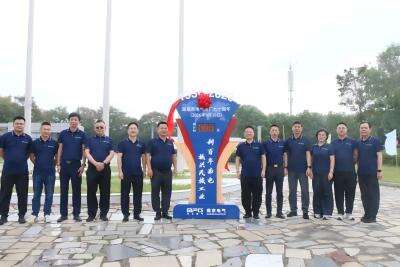
Nanjing Electric Holds Grand 89th Anniversary Celebration

26

Jan

Nanjing Electric Holds Grand 89th Anniversary Celebration

View More
Setting Sail for the World  From Export to Global Expansion, Baiyun Electric Accelerates Its Internationalization

26

Nov

Setting Sail for the World From Export to Global Expansion, Baiyun Electric Accelerates Its Internationalization

View More
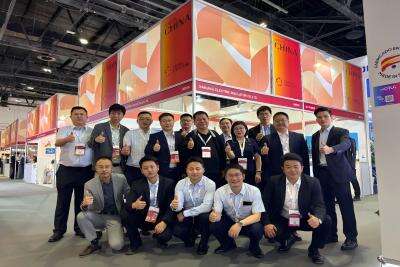
International Exhibition | Nanjing Electric Showcases at Middle East Energy 2025

26

Jan

International Exhibition | Nanjing Electric Showcases at Middle East Energy 2025

View More

Get a Free Quote

Our representative will contact you soon.
Email
Name
Company Name
Message
0/1000

composite pin insulator

Superior Environmental Performance and Longevity

Superior Environmental Performance and Longevity

The composite pin insulator sets new standards for environmental performance through its advanced material composition and engineering design. The silicone rubber housing material provides unmatched resistance to environmental stressors that commonly cause premature failure in traditional ceramic insulators. This composite pin insulator technology incorporates specially formulated silicone compounds that maintain their hydrophobic properties throughout decades of service, actively repelling moisture and contaminants that would otherwise compromise insulation performance. The molecular structure of the silicone material resists degradation from ultraviolet radiation, ensuring that the composite pin insulator maintains its mechanical and electrical properties even under intense solar exposure in desert climates or high-altitude installations. The importance of this environmental resistance becomes particularly evident in coastal applications where salt contamination creates ongoing challenges for power distribution systems. Traditional ceramic insulators require frequent cleaning and maintenance in these environments, but the composite pin insulator maintains its insulation integrity through natural washing action and contamination shedding. The fiberglass reinforced core of the composite pin insulator provides exceptional structural stability while maintaining flexibility to accommodate thermal expansion and mechanical stresses. This combination of materials creates a synergistic effect that extends service life far beyond conventional alternatives. Field experience demonstrates that composite pin insulator installations maintain reliable performance for 30-40 years with minimal maintenance requirements. The value proposition extends beyond initial cost considerations to encompass total lifecycle economics, including reduced maintenance intervals, lower failure rates, and decreased replacement frequency. For utilities operating in challenging environments, the composite pin insulator represents a strategic investment that delivers measurable returns through improved system reliability and reduced operational costs. The environmental benefits also include reduced carbon footprint from manufacturing and transportation due to the lighter weight and more efficient production processes compared to ceramic manufacturing.
Enhanced Safety and Installation Benefits

Enhanced Safety and Installation Benefits

The composite pin insulator delivers substantial safety improvements and installation advantages that benefit both utility workers and system operators. The lightweight construction of the composite pin insulator significantly reduces physical strain on installation crews while improving overall job site safety. Workers can handle these insulators more easily, reducing the risk of repetitive stress injuries and back problems commonly associated with heavy ceramic components. The unbreakable nature of the composite pin insulator eliminates the safety hazards posed by shattered ceramic debris, which can create dangerous working conditions and require extensive cleanup procedures. During installation, the composite pin insulator allows for safer handling practices since crews do not need to worry about catastrophic failure from accidental impacts or drops. This safety advantage becomes particularly important during maintenance activities performed on energized lines where worker safety depends on reliable equipment performance. The composite pin insulator also provides enhanced electrical safety through its superior tracking resistance and contamination performance. These characteristics reduce the likelihood of flashover events that can endanger workers and damage equipment. The installation process for composite pin insulator units requires less specialized equipment compared to heavy ceramic alternatives, reducing project complexity and costs. Standard lifting equipment can handle multiple units simultaneously, improving installation efficiency and reducing crew exposure time at elevation. The standardized mounting hardware for composite pin insulator products ensures compatibility with existing infrastructure, allowing utilities to upgrade their systems without costly structural modifications. Quality assurance benefits include consistent manufacturing tolerances that eliminate field fitting issues common with ceramic products. Each composite pin insulator undergoes rigorous testing to verify mechanical and electrical performance before shipment, ensuring reliable field performance. The modular design approach allows for easy inventory management and reduced spare parts requirements. Emergency repair situations benefit from the availability and portability of composite pin insulator units, enabling faster system restoration during outages. The combination of safety improvements, installation efficiency, and operational reliability makes the composite pin insulator an essential component for modern power distribution systems prioritizing worker safety and system performance.

Cost-Effective Performance and Economic Value

Cost-Effective Performance and Economic Value

The composite pin insulator delivers exceptional economic value through multiple cost-saving mechanisms that extend far beyond initial purchase price considerations. The total cost of ownership for composite pin insulator installations demonstrates significant savings compared to traditional ceramic alternatives when evaluated over typical service lifecycles. Initial cost advantages include reduced transportation expenses due to the lightweight characteristics of the composite pin insulator, allowing utilities to ship larger quantities per truck and reducing fuel costs and delivery scheduling complexity. Installation cost reductions result from faster crew productivity enabled by the manageable weight and unbreakable construction of the composite pin insulator. Crews can work more efficiently without the careful handling procedures required for fragile ceramic components, reducing labor hours and project timelines. The composite pin insulator eliminates the need for specialized lifting equipment required for heavy ceramic units, further reducing project costs and equipment rental expenses. Maintenance cost savings represent the most significant economic advantage of composite pin insulator technology. The contamination resistance and hydrophobic properties dramatically reduce cleaning frequency requirements, eliminating the need for expensive washing equipment and reducing crew exposure to hazardous working conditions. Utilities report maintenance intervals 3-4 times longer for composite pin insulator installations compared to ceramic alternatives in similar environments. Replacement cost avoidance provides another major economic benefit, as the composite pin insulator typically achieves service lives 50-100% longer than ceramic units in harsh environmental conditions. The unbreakable construction eliminates costly emergency repairs from vandalism, wildlife contact, or mechanical damage that frequently affects ceramic insulators. System reliability improvements from composite pin insulator installations reduce outage costs and customer complaints, providing measurable economic benefits through improved service quality metrics. The standardized design and manufacturing processes for composite pin insulator products enable competitive pricing while maintaining high quality standards. Volume purchasing advantages allow utilities to achieve significant cost reductions through strategic procurement programs. Long-term economic benefits include reduced inventory carrying costs due to lower failure rates and predictable replacement schedules for composite pin insulator systems.

Get a Free Quote

Our representative will contact you soon.
Email
Name
Company Name
Message
0/1000
Newsletter
Please Leave A Message With Us