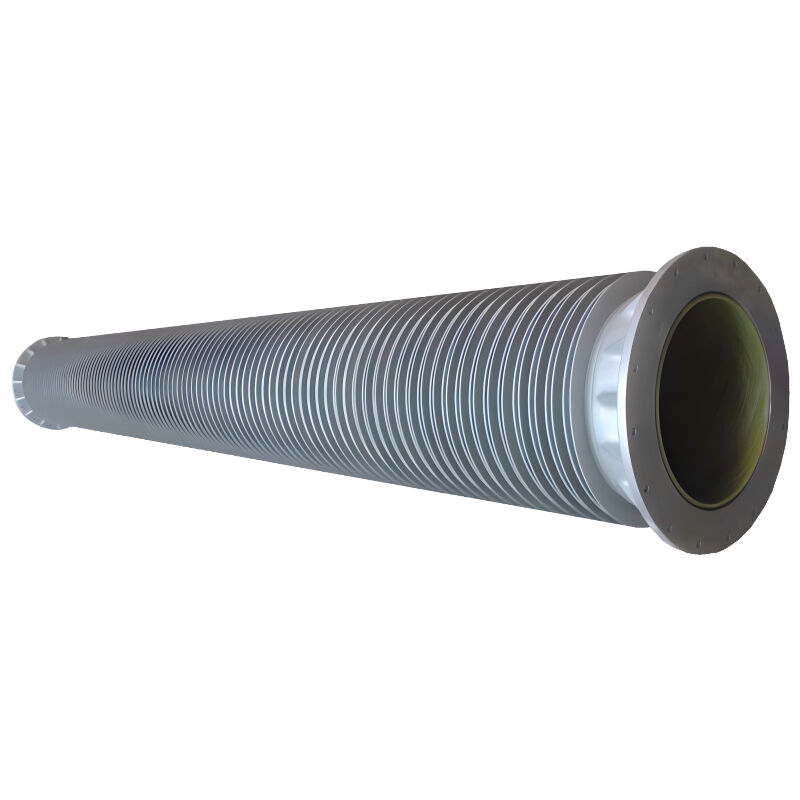
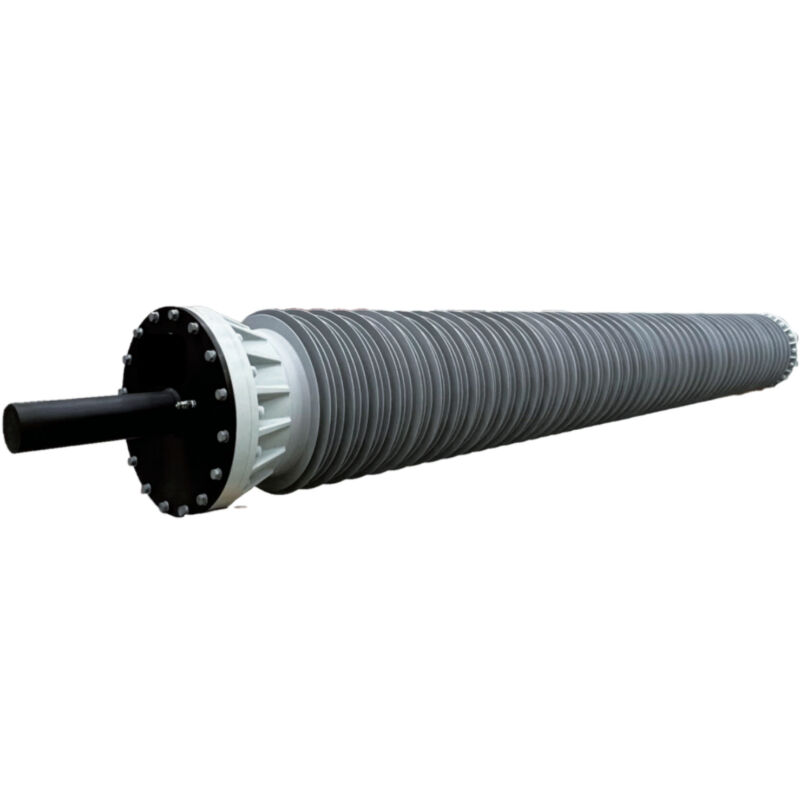
High-Performance Silicone Composite Insulators - Superior Electrical Insulation Solutions

Get a Free Quote

Our representative will contact you soon.
Email
Name
Company Name
Message
0/1000

silicone composite insulator

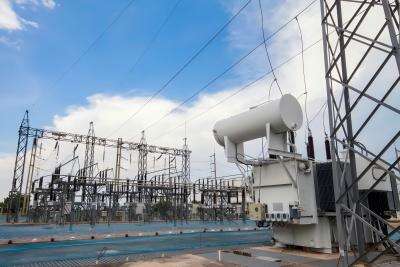
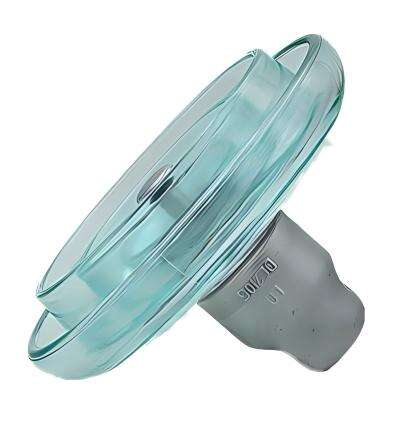
Silicone composite insulators represent a revolutionary advancement in electrical power transmission and distribution systems. These sophisticated components combine the exceptional properties of silicone rubber housings with robust fiberglass cores, creating a superior insulation solution for modern electrical infrastructure. The silicone composite insulator serves as a critical barrier between live electrical conductors and grounded structures, preventing unwanted current flow while maintaining system integrity. The primary function involves electrical isolation, mechanical support, and environmental protection across various voltage levels from distribution networks to extra-high voltage transmission lines. The technological foundation centers on a fiberglass reinforced plastic core that provides exceptional mechanical strength and dimensional stability. This core gets encapsulated within a silicone rubber housing that delivers outstanding electrical properties and environmental resistance. The manufacturing process involves precision molding techniques that ensure consistent quality and performance characteristics. Key technological features include hydrophobic surface properties that naturally repel water, reducing the formation of conductive paths during wet conditions. The material composition resists ultraviolet radiation, ozone exposure, and temperature fluctuations, maintaining performance integrity throughout extended service periods. Applications span numerous sectors including utility power systems, industrial facilities, renewable energy installations, and transportation electrification projects. Power utilities deploy these silicone composite insulators on overhead transmission lines, distribution networks, and substation equipment. Industrial applications encompass manufacturing facilities, data centers, and processing plants requiring reliable electrical isolation. The renewable energy sector utilizes these components in solar farms, wind installations, and energy storage systems. Transportation infrastructure benefits from silicone composite insulators in railway electrification, electric vehicle charging networks, and marine electrical systems. The versatility extends to specialized applications including harsh environmental conditions, coastal installations exposed to salt spray, and regions experiencing extreme temperature variations.

New Product Recommendations

Silicone composite insulators deliver substantial benefits that make them the preferred choice for modern electrical systems. The lightweight construction significantly reduces installation costs and structural requirements compared to traditional porcelain or glass alternatives. This weight advantage translates to easier handling during installation, reduced transportation expenses, and lower support structure demands. The superior electrical performance stems from the silicone material's excellent dielectric properties, providing reliable insulation across wide voltage ranges while maintaining stable performance under varying environmental conditions. Hydrophobic characteristics create a self-cleaning surface that actively repels moisture, dirt, and contaminants, reducing maintenance requirements and extending service life. This property proves particularly valuable in polluted environments where traditional insulators accumulate conductive deposits that compromise performance. The exceptional mechanical strength of the fiberglass core withstands extreme weather conditions including high winds, ice loading, and seismic activity. Unlike brittle ceramic materials, silicone composite insulators demonstrate remarkable impact resistance, reducing replacement costs from mechanical damage. The flexible design accommodates thermal expansion and contraction without stress cracking, ensuring long-term reliability. Environmental durability represents another significant advantage as these insulators resist ultraviolet degradation, chemical exposure, and extreme temperatures. This resilience maintains consistent performance across diverse climatic conditions from arctic environments to tropical regions. The vandal-resistant properties discourage malicious damage since the material composition does not shatter into dangerous fragments when impacted. Installation efficiency improves through standardized connection methods and reduced handling precautions compared to fragile alternatives. The consistent manufacturing quality ensures predictable performance characteristics, simplifying system design and specification processes. Cost-effectiveness emerges through extended service life, reduced maintenance requirements, and lower total ownership costs. The modular design facilitates easy replacement when necessary, minimizing system downtime during maintenance activities. Safety benefits include reduced risk of catastrophic failure modes and improved personnel protection during maintenance operations. These combined advantages make silicone composite insulators an intelligent investment for utilities seeking reliable, cost-effective insulation solutions that deliver consistent performance throughout extended operational periods.

Latest News

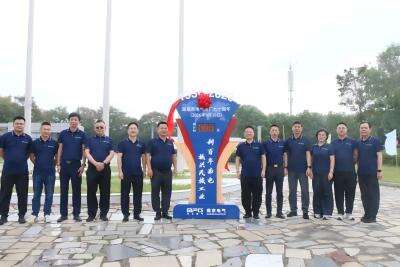
Nanjing Electric Holds Grand 89th Anniversary Celebration

26

Jan

Nanjing Electric Holds Grand 89th Anniversary Celebration

View More
Setting Sail for the World  From Export to Global Expansion, Baiyun Electric Accelerates Its Internationalization

26

Nov

Setting Sail for the World From Export to Global Expansion, Baiyun Electric Accelerates Its Internationalization

View More
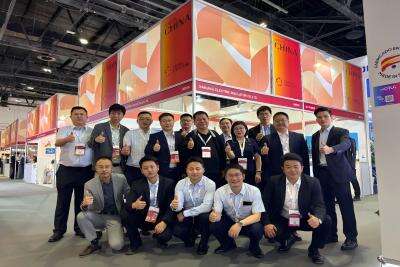
International Exhibition | Nanjing Electric Showcases at Middle East Energy 2025

26

Jan

International Exhibition | Nanjing Electric Showcases at Middle East Energy 2025

View More

Get a Free Quote

Our representative will contact you soon.
Email
Name
Company Name
Message
0/1000

silicone composite insulator

Superior Environmental Performance and Weather Resistance

Superior Environmental Performance and Weather Resistance

The silicone composite insulator demonstrates exceptional environmental performance that sets it apart from conventional insulation technologies. The advanced silicone rubber housing provides unmatched resistance to environmental stressors that commonly degrade traditional insulator materials. This superior weather resistance stems from the molecular structure of silicone polymers, which maintain flexibility and integrity across extreme temperature ranges from minus forty degrees Celsius to plus one hundred twenty degrees Celsius. Unlike porcelain or glass insulators that can crack or shatter under thermal stress, the silicone composite insulator adapts to temperature fluctuations without compromising structural integrity. The hydrophobic surface properties create a unique self-cleaning mechanism that actively repels water, preventing the formation of conductive moisture films that can cause flashover events. This characteristic proves invaluable in coastal environments where salt spray creates highly conductive surface conditions on traditional insulators. The silicone material naturally sheds water droplets, maintaining insulation effectiveness even during heavy precipitation or high humidity conditions. UV resistance ensures color stability and material properties remain consistent despite prolonged exposure to intense sunlight. The polymer formulation includes stabilizers that prevent degradation from ultraviolet radiation, ozone exposure, and oxidative processes that typically affect rubber-based materials. This environmental durability translates to extended service life often exceeding thirty years in demanding outdoor applications. The silicone composite insulator resists contamination buildup that commonly affects ceramic alternatives in polluted industrial environments. Airborne particles and industrial emissions fail to adhere permanently to the smooth silicone surface, reducing maintenance requirements and preserving electrical performance. Chemical resistance protects against acid rain, industrial pollutants, and cleaning agents used during maintenance activities. The material composition withstands exposure to oils, solvents, and other chemicals without swelling, degradation, or property changes. This comprehensive environmental protection ensures reliable performance across diverse installation environments while minimizing lifecycle costs through reduced replacement and maintenance requirements. The combination of these environmental advantages makes the silicone composite insulator ideal for challenging applications where traditional materials fail prematurely.
Exceptional Mechanical Strength and Impact Resistance

Exceptional Mechanical Strength and Impact Resistance

The mechanical performance of silicone composite insulators surpasses traditional alternatives through innovative engineering that combines flexibility with exceptional strength characteristics. The fiberglass reinforced plastic core provides outstanding tensile and compressive strength while maintaining dimensional stability under mechanical loads. This core construction utilizes high-quality glass fibers arranged in optimized orientations to maximize load-bearing capacity and resist mechanical failure modes. The manufacturing process ensures consistent fiber distribution and resin bonding that creates a homogeneous structure capable of withstanding extreme mechanical stresses. Tensile strength typically exceeds forty-five thousand pounds, providing substantial safety margins for normal operating conditions and emergency loading scenarios. The silicone composite insulator demonstrates remarkable impact resistance that prevents catastrophic failure from airborne debris, animal contact, or accidental mechanical impact. Unlike brittle porcelain insulators that shatter completely upon impact, the composite construction absorbs impact energy through controlled deformation without compromising electrical integrity. This characteristic significantly reduces maintenance costs and system outages caused by mechanical damage. The flexible silicone housing accommodates thermal expansion and mechanical movement without creating stress concentrations that lead to crack initiation. This flexibility proves particularly beneficial in applications subject to vibration, wind loading, or seismic activity where rigid insulators experience fatigue failure. The design tolerates repeated mechanical cycling without degradation, ensuring long-term reliability under dynamic loading conditions. Vandal resistance represents another important mechanical advantage as the material composition discourages intentional damage attempts. The non-shattering characteristics eliminate the production of dangerous fragments that create safety hazards and facilitate quick replacement procedures. The tough outer surface resists penetration from sharp objects while maintaining electrical insulation properties even after minor surface damage. Connection strength between the silicone housing and end fittings utilizes advanced bonding techniques that create permanent joints capable of transferring full mechanical loads. Quality control procedures verify connection integrity through standardized testing protocols that ensure consistent performance across production batches. This mechanical reliability enables confident application in critical infrastructure where failure consequences are severe, providing engineers with dependable solutions for demanding mechanical environments.
Cost-Effective Lifecycle Value and Maintenance Advantages

Cost-Effective Lifecycle Value and Maintenance Advantages

The silicone composite insulator delivers exceptional lifecycle value through reduced total ownership costs and simplified maintenance requirements that provide significant economic benefits over extended service periods. Initial cost advantages emerge from lightweight construction that reduces transportation expenses, handling costs, and installation complexity compared to heavy ceramic alternatives. The reduced weight enables smaller support structures, lower foundation requirements, and simplified installation procedures that decrease project costs and construction timelines. Installation efficiency improves through standardized mounting systems and reduced safety precautions required for handling non-breakable components. These factors combine to reduce initial installation costs by twenty to thirty percent compared to traditional porcelain insulators. Long-term economic benefits result from extended service life that typically exceeds thirty years with minimal maintenance requirements. The durable silicone construction maintains electrical and mechanical properties throughout extended exposure to environmental stressors that degrade conventional materials. This longevity reduces replacement frequency and associated labor costs while improving system reliability and reducing unplanned outages. Maintenance advantages include simplified cleaning procedures that often involve only water washing due to the self-cleaning hydrophobic surface properties. Traditional insulators require specialized cleaning compounds and frequent maintenance intervals to remove contamination buildup that compromises electrical performance. The silicone composite insulator naturally sheds contaminants, reducing maintenance frequency and labor requirements. Predictable performance characteristics enable condition-based maintenance strategies that optimize resource allocation and reduce unnecessary inspections. The consistent aging characteristics allow utilities to develop reliable replacement schedules based on actual service experience rather than conservative estimates required for materials with variable degradation patterns. Inventory management benefits include standardized designs that reduce spare parts requirements and enable bulk purchasing advantages. The non-breakable construction eliminates storage concerns related to fragile components while reducing handling damage during warehousing and transportation. Emergency replacement procedures simplify through quick-disconnect designs that enable rapid restoration of service following equipment failure or damage. These maintenance and cost advantages accumulate over the insulator lifecycle, delivering substantial economic benefits that justify initial investment decisions. The combination of reduced installation costs, extended service life, minimal maintenance requirements, and improved reliability creates compelling economic value propositions for utilities and industrial users seeking cost-effective insulation solutions.

Get a Free Quote

Our representative will contact you soon.
Email
Name
Company Name
Message
0/1000
Newsletter
Please Leave A Message With Us