composite hollow insulator
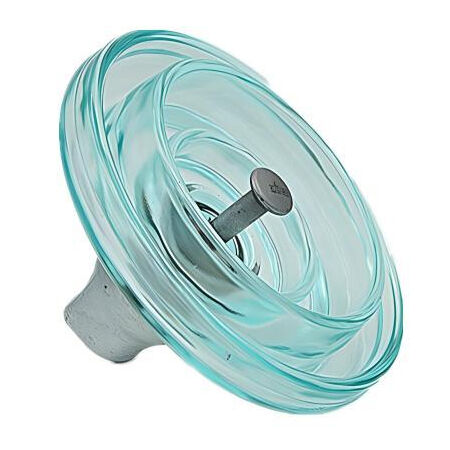
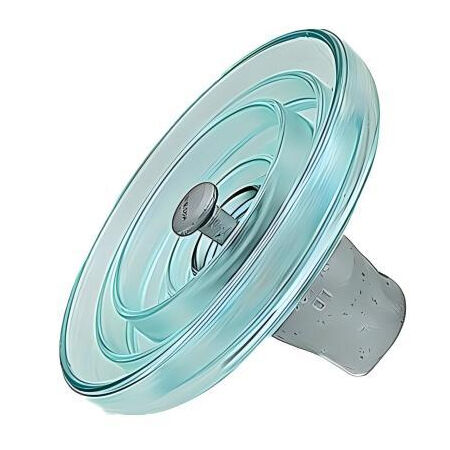
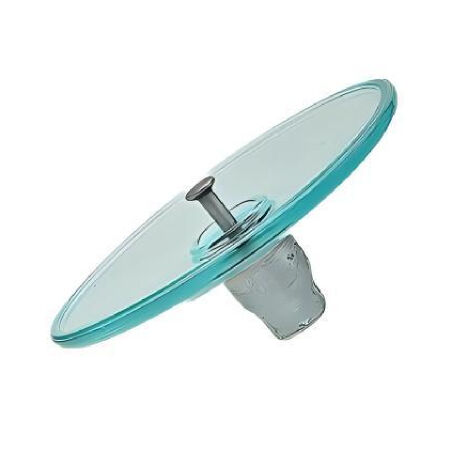
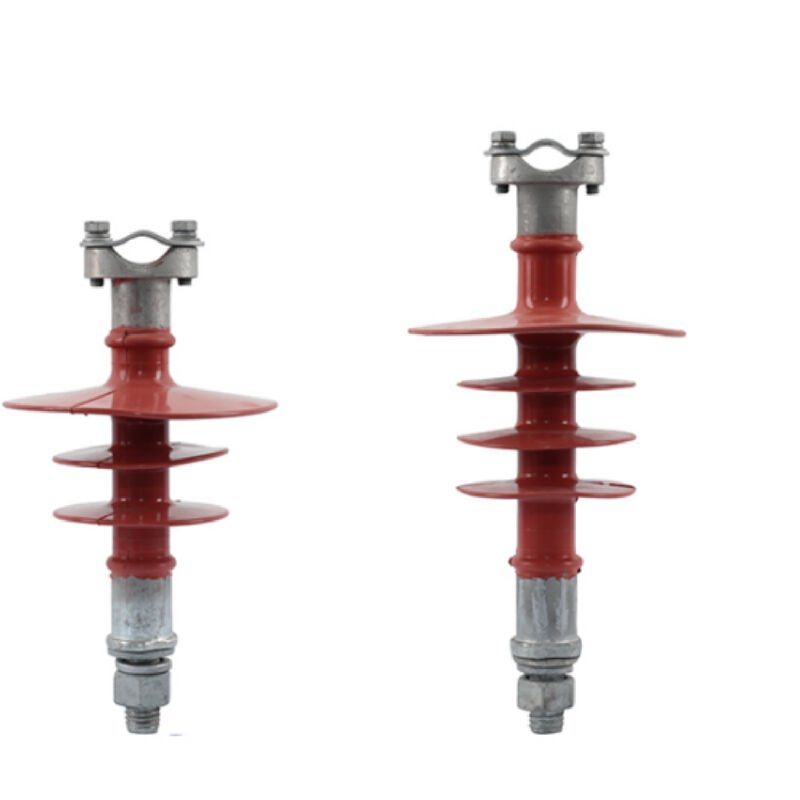
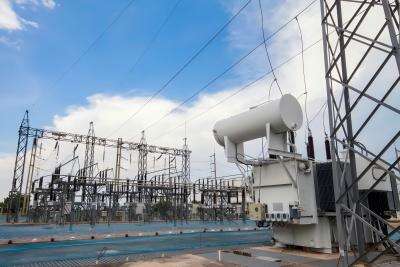
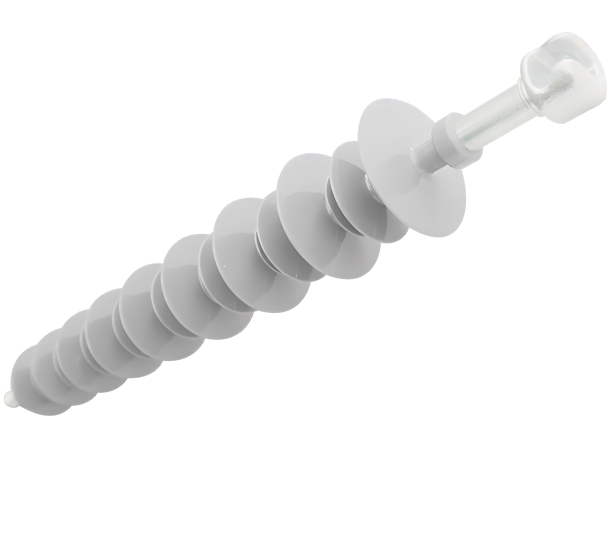
The composite hollow insulator represents a revolutionary advancement in electrical power transmission and distribution infrastructure. This innovative technology combines lightweight polymer materials with robust engineering design to create an insulation solution that outperforms traditional ceramic and glass insulators. The composite hollow insulator features a hollow core structure surrounded by high-performance silicone rubber housing, providing exceptional electrical insulation while maintaining structural integrity under extreme weather conditions. The main functions of the composite hollow insulator include preventing electrical current from flowing between conductors and grounded structures, supporting overhead power lines, and maintaining safe clearance distances in electrical systems. These insulators effectively isolate high-voltage conductors from support towers, poles, and other grounded equipment, ensuring reliable power transmission without unwanted electrical discharge. The technological features of composite hollow insulator systems include advanced polymer chemistry that resists ultraviolet radiation, pollution accumulation, and thermal cycling. The hollow design reduces overall weight significantly compared to solid alternatives while maintaining superior mechanical strength. The silicone rubber exterior provides hydrophobic properties, causing water to form beads rather than creating conductive films across the insulator surface. This characteristic proves crucial in preventing flashovers during wet weather conditions. Applications for composite hollow insulator technology span across various voltage levels, from distribution systems operating at 15kV to transmission lines carrying 800kV or higher. These insulators find extensive use in overhead power lines, substations, switchgear installations, and railway electrification systems. The versatility of composite hollow insulator designs allows customization for specific environmental conditions, including coastal areas with high salt contamination, industrial zones with heavy pollution, and regions experiencing severe weather patterns. Power utilities worldwide increasingly adopt composite hollow insulator technology to improve system reliability, reduce maintenance costs, and enhance overall grid performance in challenging operating environments.
 ×
×



 EN
EN