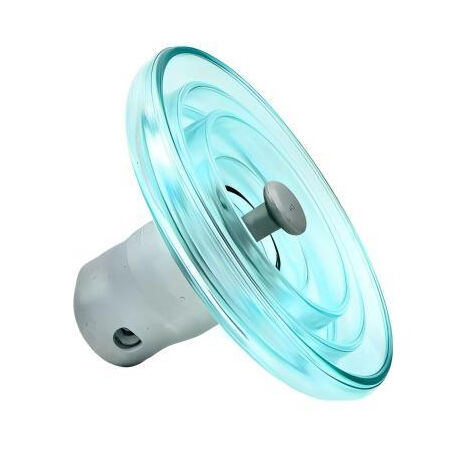
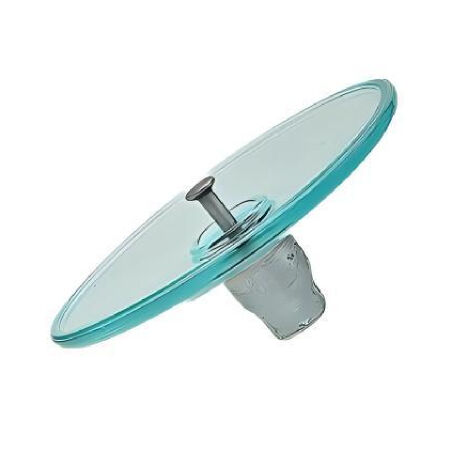
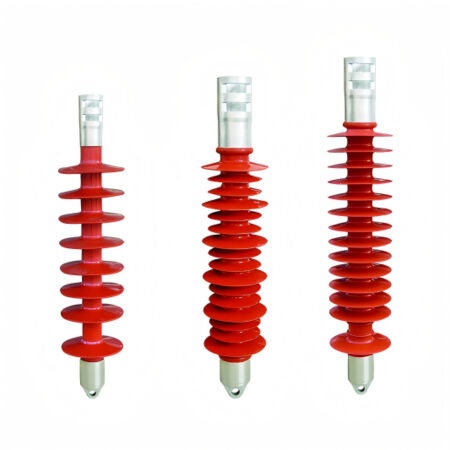
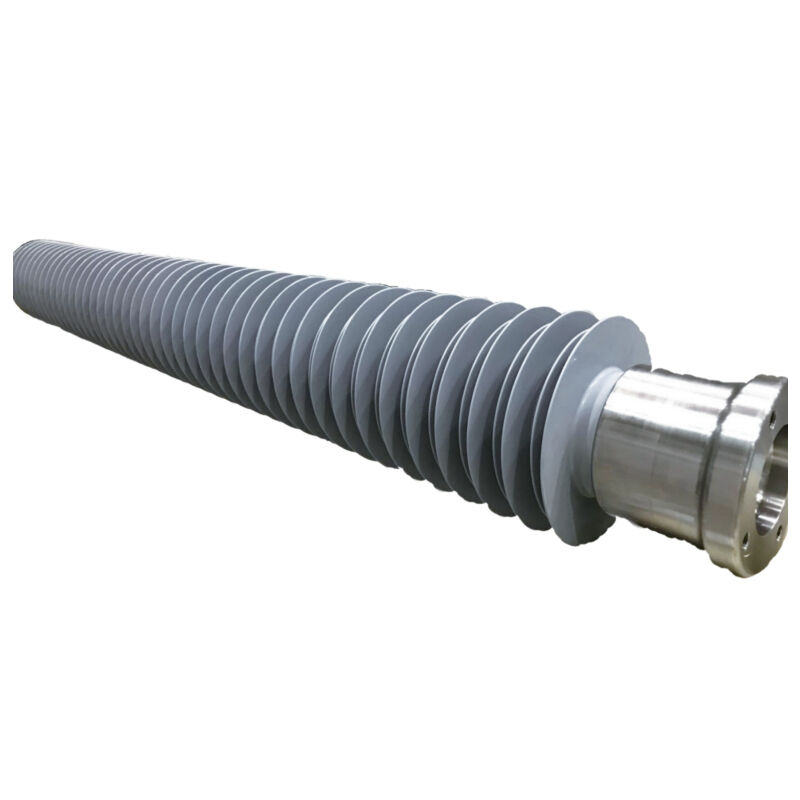
composite Suspension Insulator
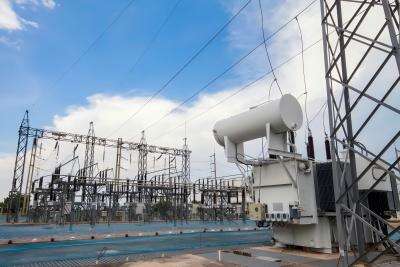
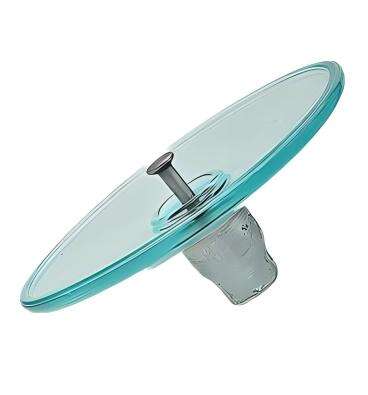
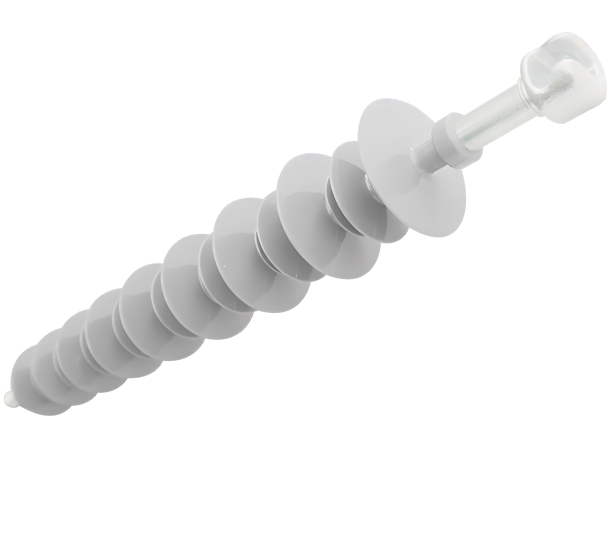
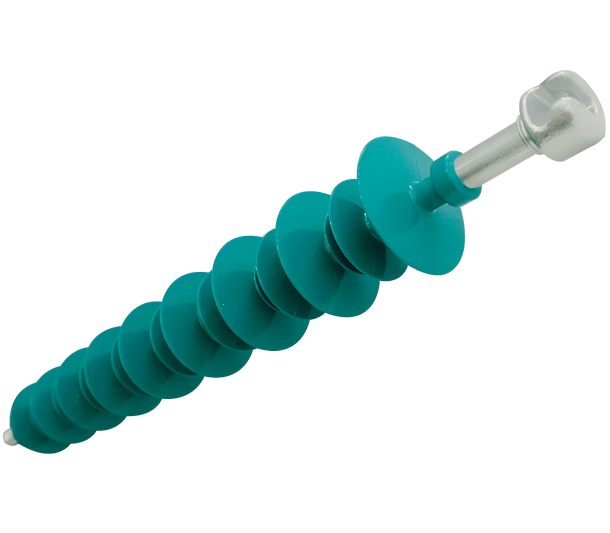
Ang mga kompositong insulator na may suspensyon ay kumakatawan sa isang rebolusyonaryong pag-unlad sa imprastruktura ng transmisyon ng kuryente, na gumagampan ng mahalagang tungkulin sa ligtas na paghihiwalay ng mga conductor na may kuryente mula sa mga suportang istruktura na nakakonekta sa lupa. Ang mga sopistikadong device na ito ay nagpapagsama ng advanced na engineering ng mga materyales at ng mga napatunayang prinsipyo ng electrical insulation upang magbigay ng superior na performance sa mga overhead transmission line. Ang kompositong insulator na may suspensyon ay binubuo ng isang core na gawa sa fiberglass reinforced polymer na napapalibutan ng mga alternatibong shed at shank section na gawa sa silicone rubber o iba pang polymer na materyales. Ang inobatibong disenyo na ito ay nagbibigay ng exceptional na mechanical strength habang pinapanatili ang outstanding na electrical insulation properties. Ang pangunahing tungkulin ng isang kompositong insulator na may suspensyon ay ang pagsuporta sa bigat ng mga conductor sa transmisyon habang pinipigilan ang daloy ng kuryente patungo sa lupa sa pamamagitan ng suportang tower o poste. Hindi tulad ng tradisyonal na porcelain o glass insulators, ang kompositong insulator na may suspensyon ay gumagamit ng modernong polymer technology upang makamit ang superior na performance characteristics. Ang fiberglass core ay nagbibigay ng tensile strength na lumalampas sa katumbas nito sa bakal, samantalang ang polymer housing ay nag-aalok ng mahusay na resistance sa environmental degradation, pollution, at tracking. Ang mga insulator na ito ay karaniwang gumagana sa iba’t ibang voltage range mula sa distribution level hanggang sa extra high voltage applications na lumalampas sa 800 kilovolts. Kasama sa mga pangunahing teknolohikal na katangian nito ang hydrophobic surface properties na tumutulak sa tubig at mga kontaminante, lightweight construction na nababawasan ang structural loading requirements, at exceptional impact resistance na nagpapigil sa catastrophic failure dahil sa mga external forces. Ang kompositong insulator na may suspensyon ay malawakang ginagamit sa mga transmission line, substations, at distribution systems kung saan ang reliable na electrical isolation ay napakahalaga. Ang kanilang versatility ay nagbibigay-daan sa kanilang paggamit sa mga coastal environment na may mataas na antas ng salt contamination, sa mga industrial area na may mabigat na pollution, at sa mga rehiyon na nakakaranas ng extreme weather conditions. Ang proseso ng pagmamanufacture ay nangangailangan ng tiyak na kontrol sa mga materyales at dimensyon upang matiyak ang consistent na performance sa libu-libong yunit na inilalagay sa mga critical na power infrastructure applications.




 EN
EN